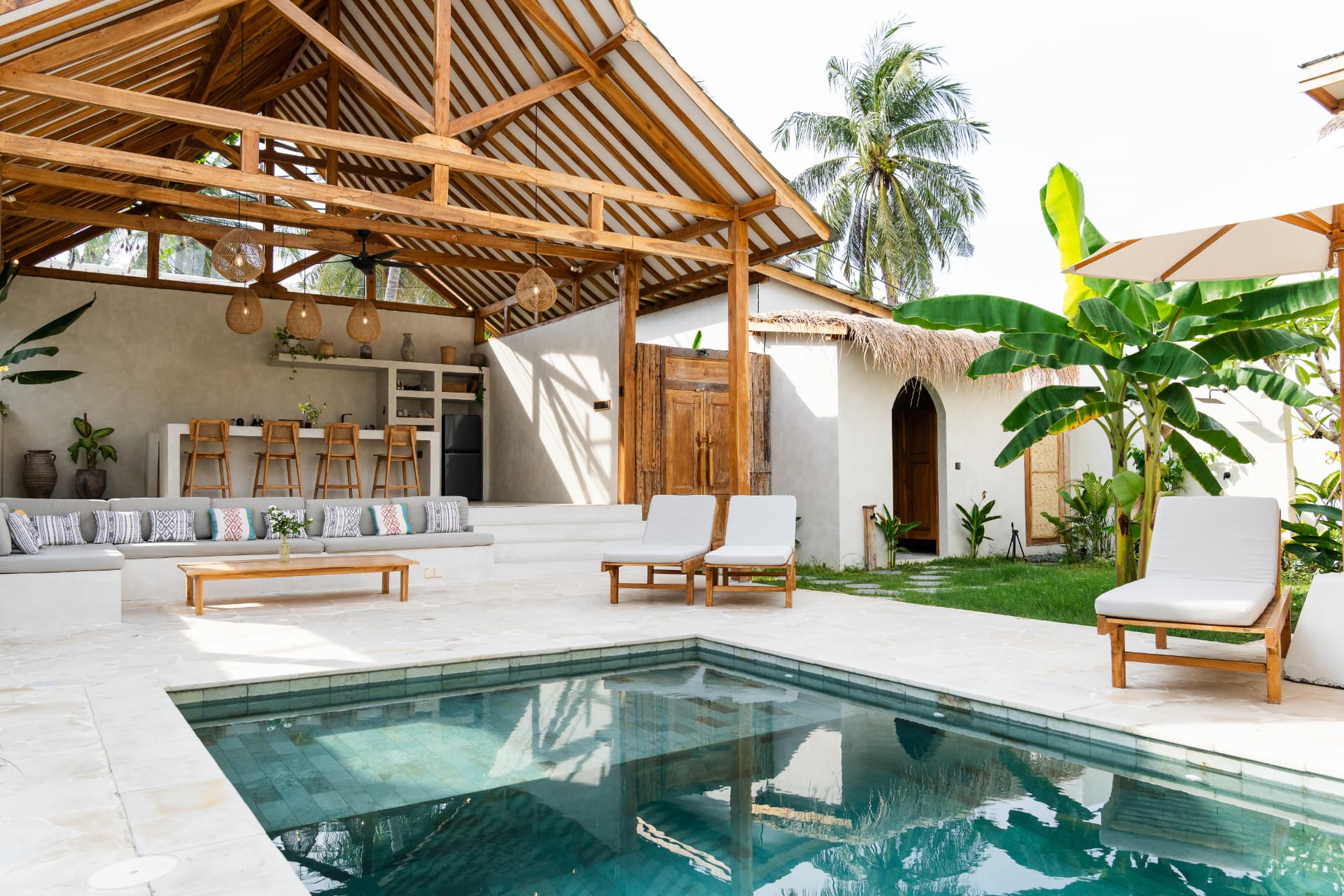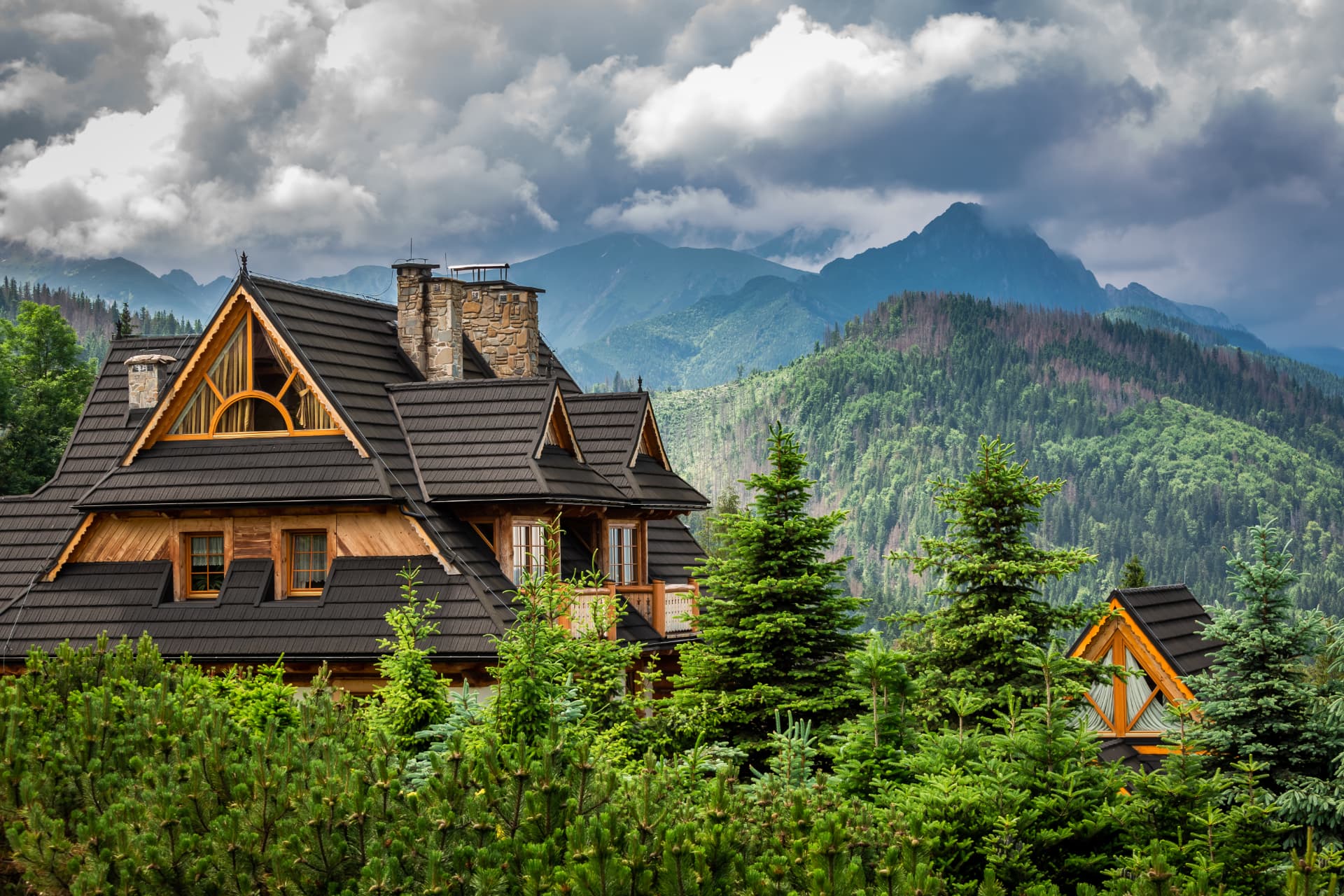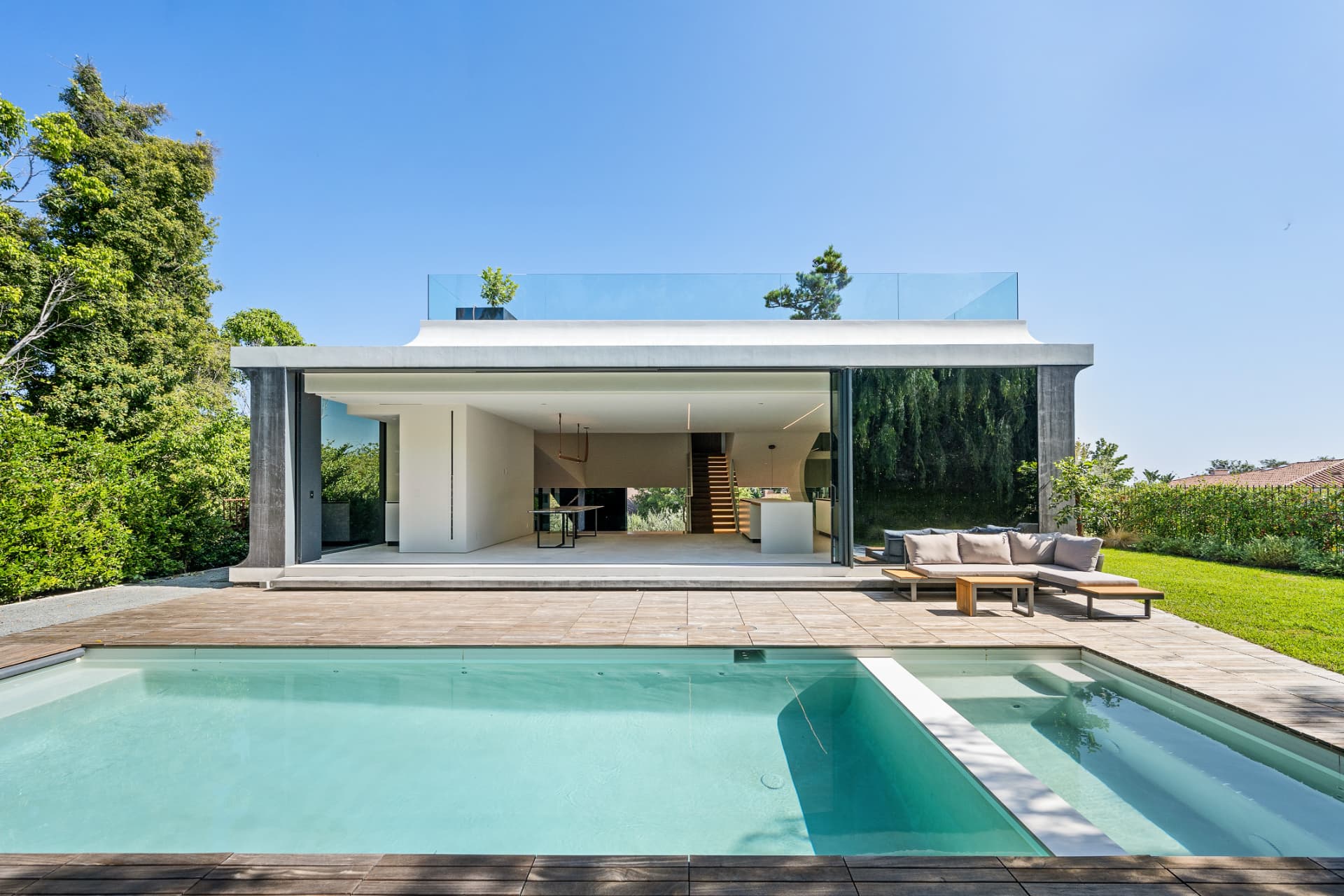
A listing introduces you. A website tells your story.
An online travel agency puts your property in front of travelers who are already looking for somewhere to stay. That visibility has value. But a listing also places your home beside dozens of alternatives, inside a format you do not control.
Your own website is a different kind of space. You choose the photographs, the pace, and the details that matter. A shaded breakfast terrace can become more than another amenity: it can be the reason someone imagines a week at your property.
Direct does not have to mean all-or-nothing.
You can keep your Airbnb or Booking.com presence while building a direct channel. A website gives people who search your property name somewhere to learn more and make an inquiry. It also gives returning guests a recognizable home for their next visit.
Respect the terms of any platform you use. Do not move an active platform booking off-platform in breach of its rules. Building an independent audience and contact channel is a longer-term approach, not a workaround.
Make the next step feel effortless.
A guest should be able to understand where your property is, who it suits, what is included, and how to ask about a stay. Clear contact details, useful answers, and a short inquiry form can remove uncertainty.
If you accept instant bookings, your availability and payment arrangements need to be accurate and dependable. A booking engine or channel manager may be part of that setup; a beautiful website alone does not synchronize calendars.
Own the relationship, not just the transaction.
A direct channel can help you communicate your standards and build trust before arrival. It also comes with responsibilities: handling inquiries, protecting personal information, and explaining terms clearly.
Think of your website as a lasting investment in the property’s identity. The aim is not to promise a full calendar overnight. It is to create a useful, distinctive place that can support your business over time.