Start with the moment a guest is looking for.
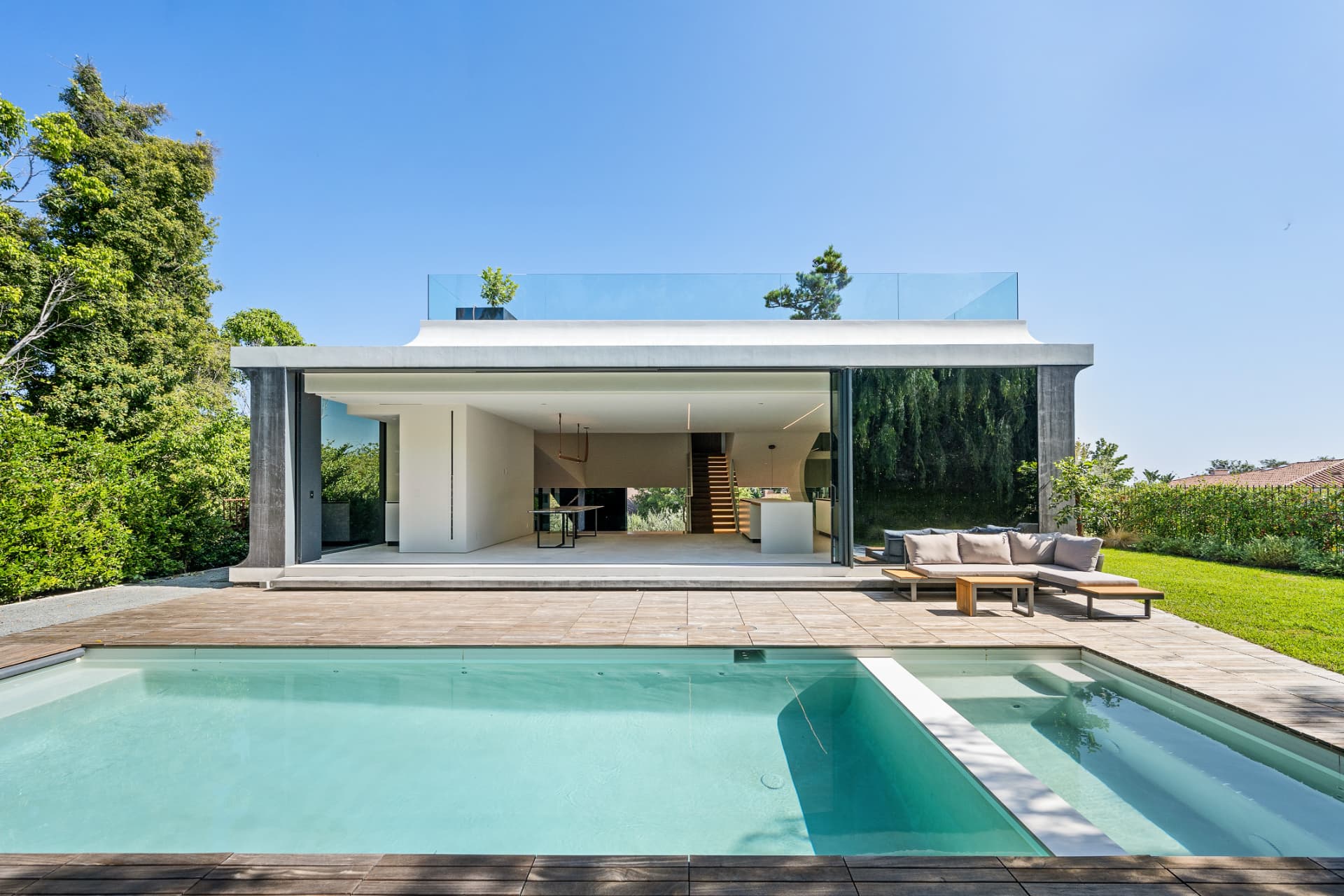
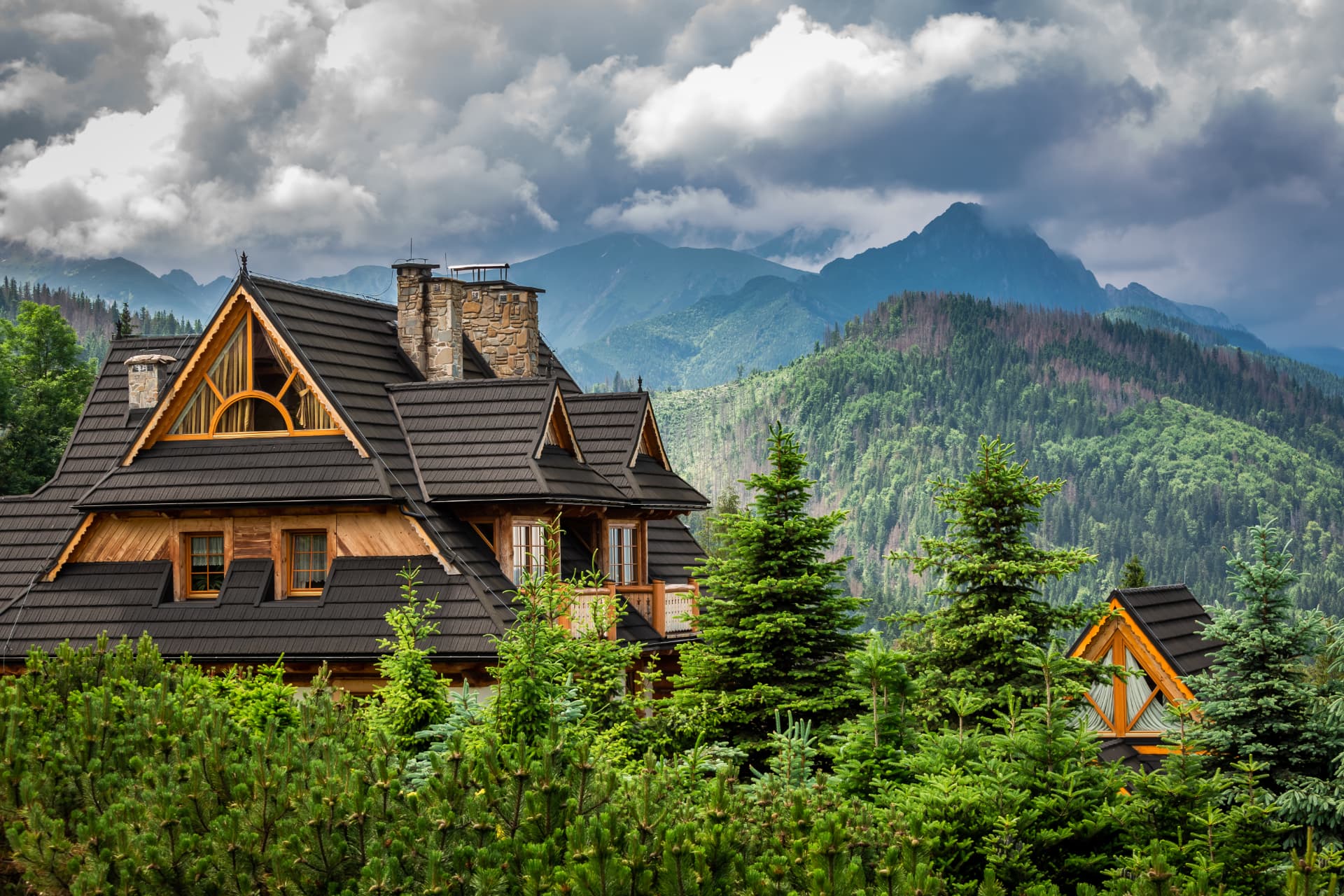
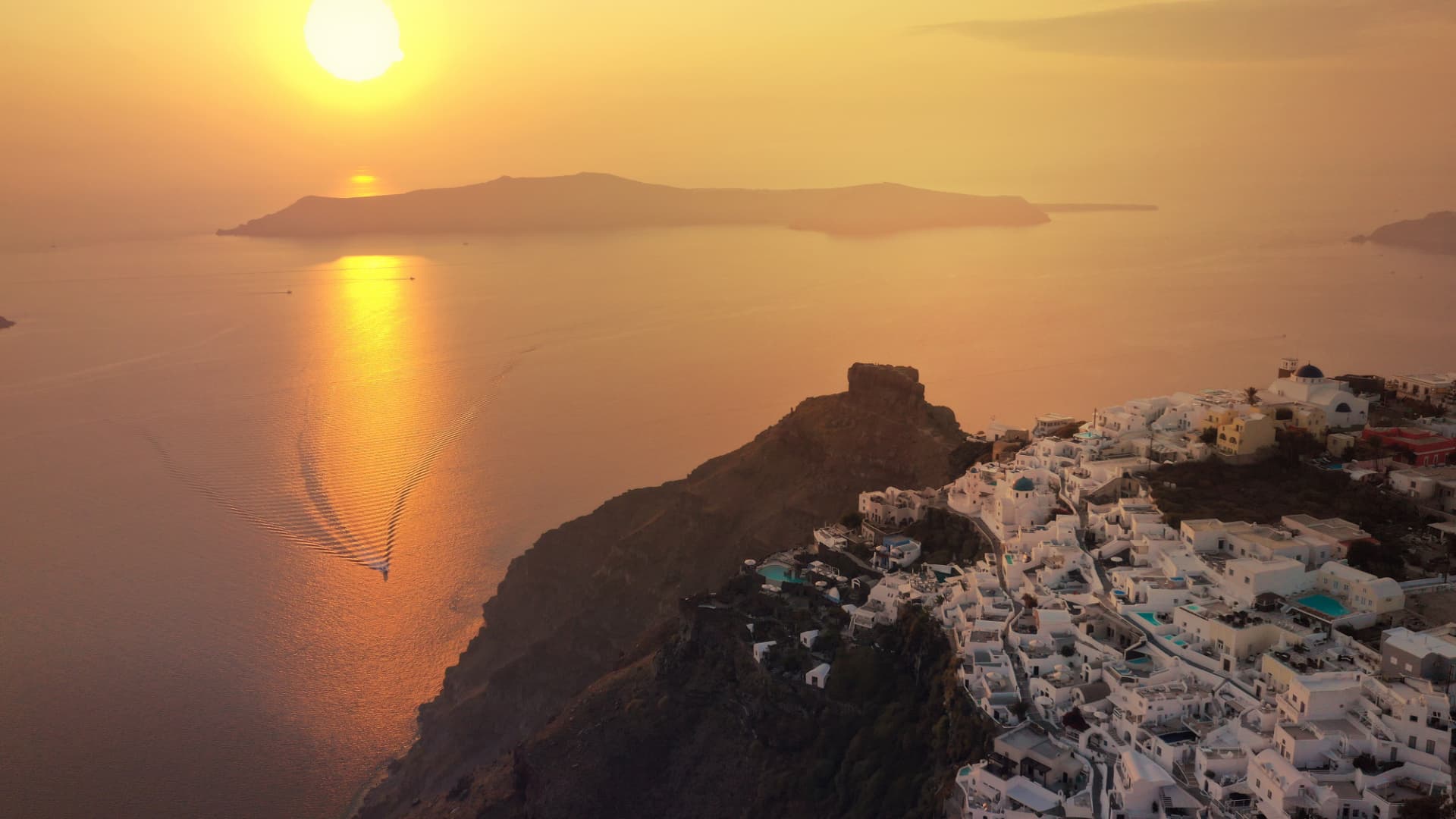
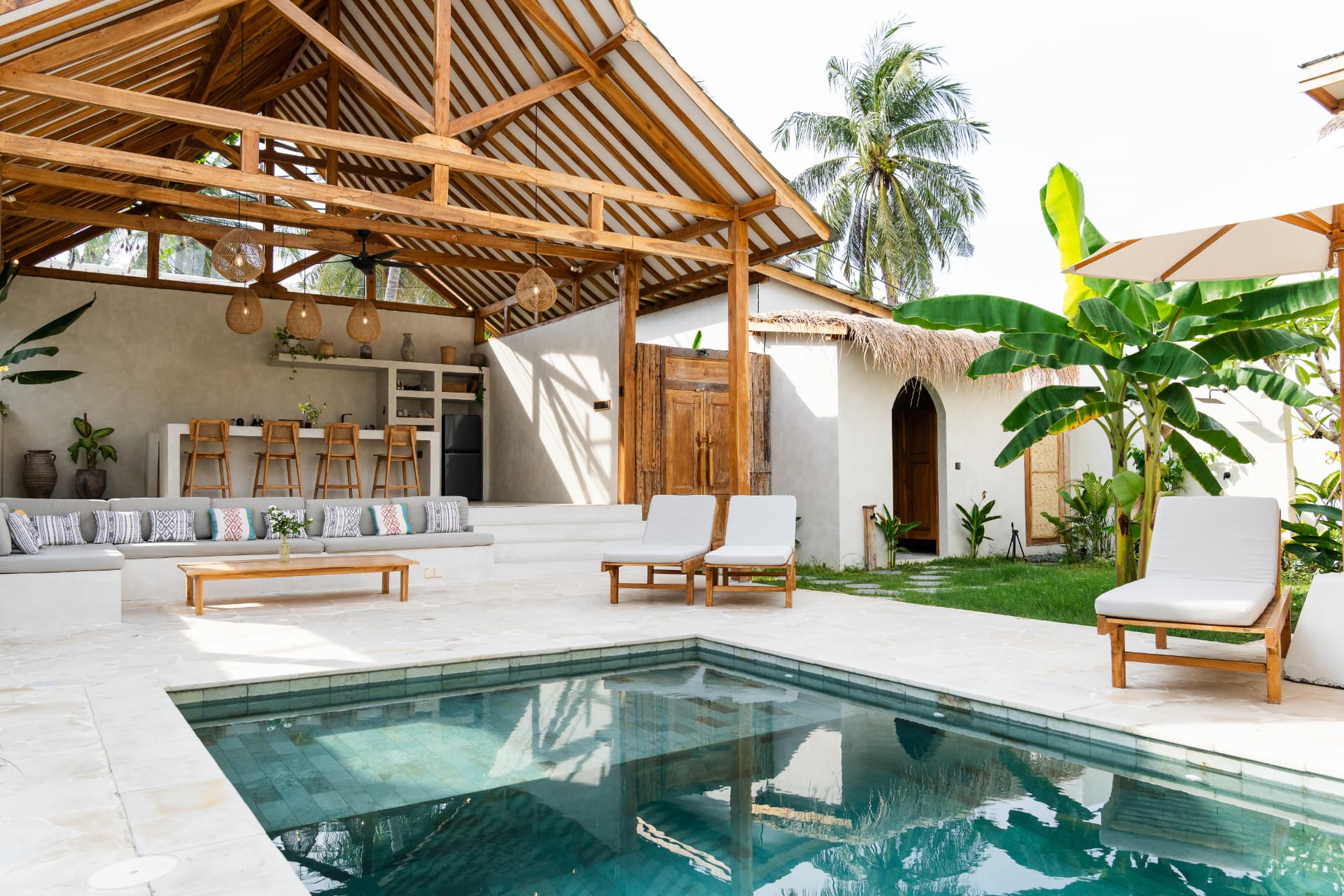
A useful property photograph tells the truth about a space. An exceptional one also communicates what being there feels like. Think about the moments that define your stay: breakfast in the courtyard, a quiet afternoon by the pool, or an evening with the doors open to the sea.
Before a shoot, write down a handful of those moments. They can guide the image selection without turning your property into a staged fantasy.
Let the light do the work.
Natural light reveals materials, proportions, and atmosphere. Different spaces look their best at different times of day. A terrace may feel inviting in morning light, while a living room comes alive later.
Plan around the property rather than shooting every room in a single rushed pass. Keep color and exposure believable. Guests should recognize the place they booked when they arrive.
Balance atmosphere with information.
The close-up of a beautiful door handle cannot replace a clear view of the bedroom. Guests still need to see layouts, beds, bathrooms, access, and outdoor areas. Pair the evocative images with the practical ones.
Use a mix of wide views, medium compositions, and small details. Wide views establish the space. Details add character. Together, they make a more complete story than a gallery of near-identical angles.
Choose honestly, then edit ruthlessly.
Do not hide limitations through extreme angles or misleading crops. If a view is from a nearby lookout rather than the property, label it accordingly. Lifestyle images should complement the actual accommodation, not impersonate it.
For your website, lead with the clearest strong image, then arrange the rest as a journey. Keep files appropriately sized and provide meaningful image descriptions. The photographs should make the page more inviting without making it slower to use.